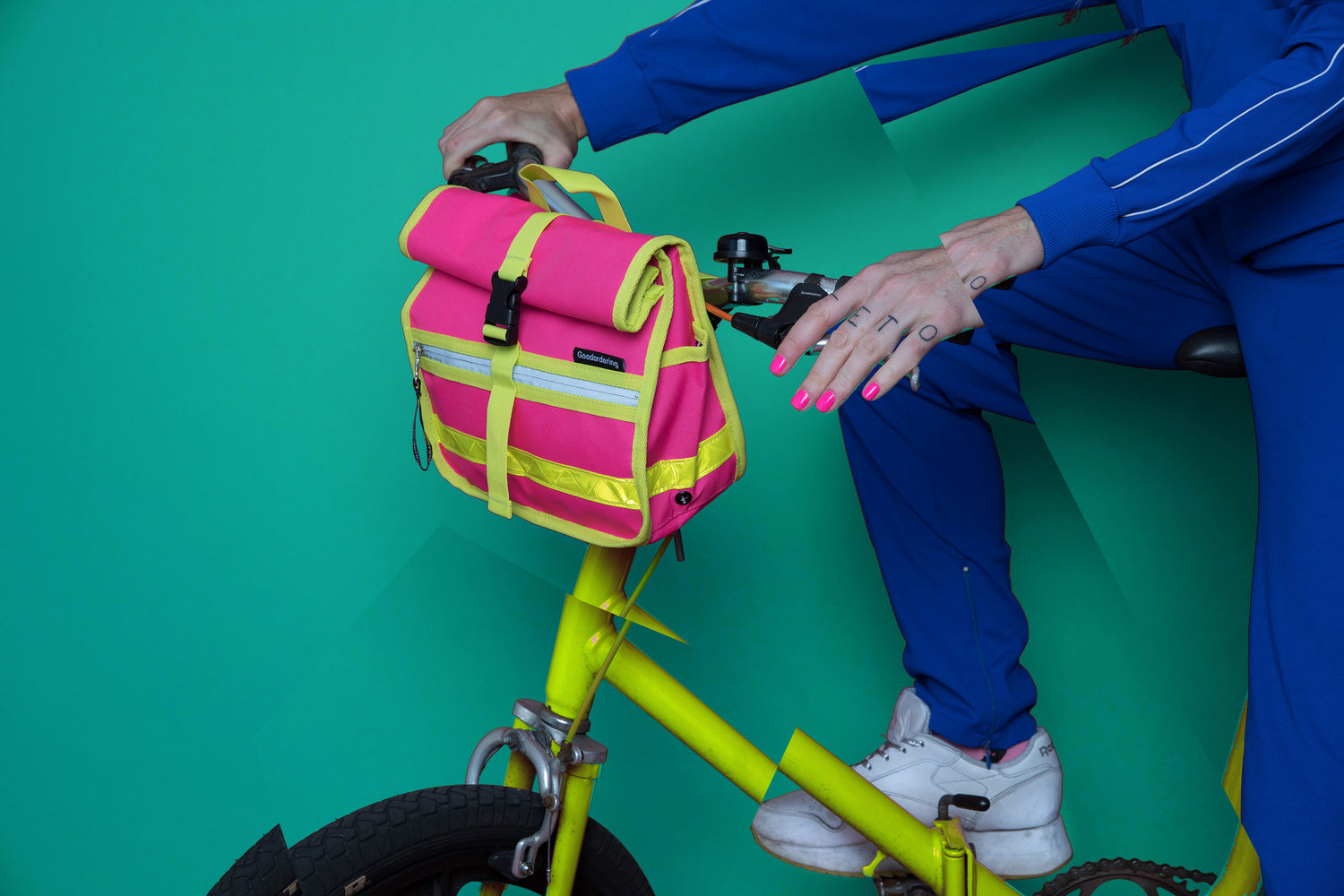
Freedom on two wheels has an exclusive kind of freedom on it. Biking to work in a pannier backpack in the mornings or riding in the park on the weekends, cycling is not only a way of transportation, but it is a statement of freedom. It is a question of mobility, equilibrium, and not being sedentary.
In 2026, however, the discussion of the concept of active aging has changed. True autonomy is holistic. It is the power to move on smoothly between the active outdoor life and home, where you do not feel limited, but are in an environment where you feel free to be.
The future of independent living is to achieve future-proofing. You should take care of your living environment just like you would take care of your bike, so as to avoid a setback. This is the way to overcome the boundary between an active lifestyle and a safe home with seniors.
1. Why an Active Lifestyle is the Key to Independence
Independence is like a muscle. “If you don’t use it, you lose it.” For the community, movement is second nature. Research done in 2026 indicates that continuing to exercise the body through low-impact activities like cycling improves proprioception (how well you know where your body is in space).
By continuing to exercise your body, you are already preparing for aging in place. You are building the strength you need to climb stairs and move around your home. But it is equally important to create a senior friendly home because even the fittest cyclist can be brought down by tripping over a loose rug or falling because of poor lighting. That’s where home modifications come in.
2. The Great Shift: Designing for "Aging in Place"
In 2026, most adults over 60 do not want to relocate to assisted living and will rather remain in their homes. This does not simply involve sentiment, but it concerns mental health and community affiliation.
Nevertheless, there are plenty of houses being constructed for the twenty-year-olds. In order to remain independent, we must abandon being reactive (adding a grab bar when you fall) in favor of being proactive in design (a space that appears to meet your needs before a crisis takes place).
3. Critical Zones: High-Impact Home Modifications for 2026
These risk zones are high traffic areas to consider in case you want to future-proof your space.
The Bathroom: Your Zone of High Stakes
Most accidents at home occur in this case statistically.
-
Non-slip flooring is now recommended under 2026 standards, with high-friction surfaces that continue seamlessly into walk-in showers.
-
Strengthened grab bars have also evolved from clinical-looking fixtures into stylish matte-black or chrome designs that double as towel rails.
-
In addition, thermostatic valves provide an added layer of safety by allowing users to cap the maximum water temperature, helping prevent accidental scalding.
The Kitchen: Accessibility and Ergonomic Accommodations
A kitchen ought to be a creative rather than a physical battle.
-
Reduced Workstations: In the event that being on your feet is tiresome, a section of the counter at perching height (equivalent to a bar stool) will make the difference.
-
Pull-Out Cabinetry: You do not have to crawl into the back of the low cupboards. Pull-out shelves are motorized or with smooth glides that ensure that your cookware is in reach.
Lighting: The Unrecognised Safety Hero
With age, our eyes need a lot of light to differentiate between depth and contrast.
-
Circadian Lighting: 2026 trends in smart homes will include lighting that can recreate the effects of natural daylight, and thus keep sleep patterns consistent.
-
Motion Sensors: Path-finding lights, which will automatically turn on when you get out of bed at night, can help eliminate the trip hazards in the dark.
4. Digital Integration: Smart Tech as the Unseen Nurse
Smart homes have developed a gimmick into a lifeline. By 2026, sensors with AI will be able to detect abnormal behavior of voice-Activated Assistants, such as a door that has been left open or a fall, without using invasive cameras.
By installing these tools in your home, then you can do passive monitoring. It ensures peace of mind to the people you love, and you are in complete control and privacy of your surroundings.
5. Universal Design: Creating a House That Grows with You
Future-proofing does not mean having your home appear like a facility, but rather Universal Design. It is an idea wherein the products and spaces are created to be beautiful, and that can be used by all people, irrespective of their ages or abilities.
When you buy a bag, you buy it because it is handy and it is good-looking. Use the same reasoning about your home. Designing a home that is friendly to seniors will entail utilizing broader door frames, door grips (that look like a lever, rather than a knob), and open room designs. These are not old age features; they are human features that simplify the life of all, including a parent pushing a stroller or a cyclist rolling his bike indoors.
6. Financial Planning: The ROI of Independence
There is a strong economic case for home modification. A couple of grab bars, the improved lighting, and a walk-in shower would cost a small part of the monthly cost of a residential care facility. You are safeguarding your future wealth, as well as your quality of life, by investing in your home today.
7. Conclusions: Final Thoughts on Designing Independence
It is now time to consider your senior friendly home, regardless of whether you are 45 or 75. There is no such thing as independence; this is a process that we create with the help of our habits, activity level, and environments that we create for ourselves.
Ride, Ride on, and make your home the place that will enable you to do both as long as you can.
Frequently Asked Questions
What do you consider to be the most significant home adjustments among the older adults?
Bathroom grab bars, enhanced lighting (especially corridors and staircases), and elimination of tripping risks such as heavy carpets or cluttered aisles are the so-called "Big Three" solutions.
What can I do to avoid falls at home?
Make sure that every stair has two handrails, there are motion sensor night lights, and the hard floors have been treated with non-slip treatments. Physical activities such as cycling or yoga have a huge part to play too, as long as the exercises are balance-oriented.
What is the meaning of aging in place?
It can be described as the capacity to live in one's own home and community safely, independently, and comfortably, despite age, earnings, or level of ability.
Are the home modifications costly?
A complete kitchen remodel is costly, but numerous important modifications, such as the addition of LED lighting or the replacement of door handles, cost less than a DIY project but will provide safety benefits in the short term.