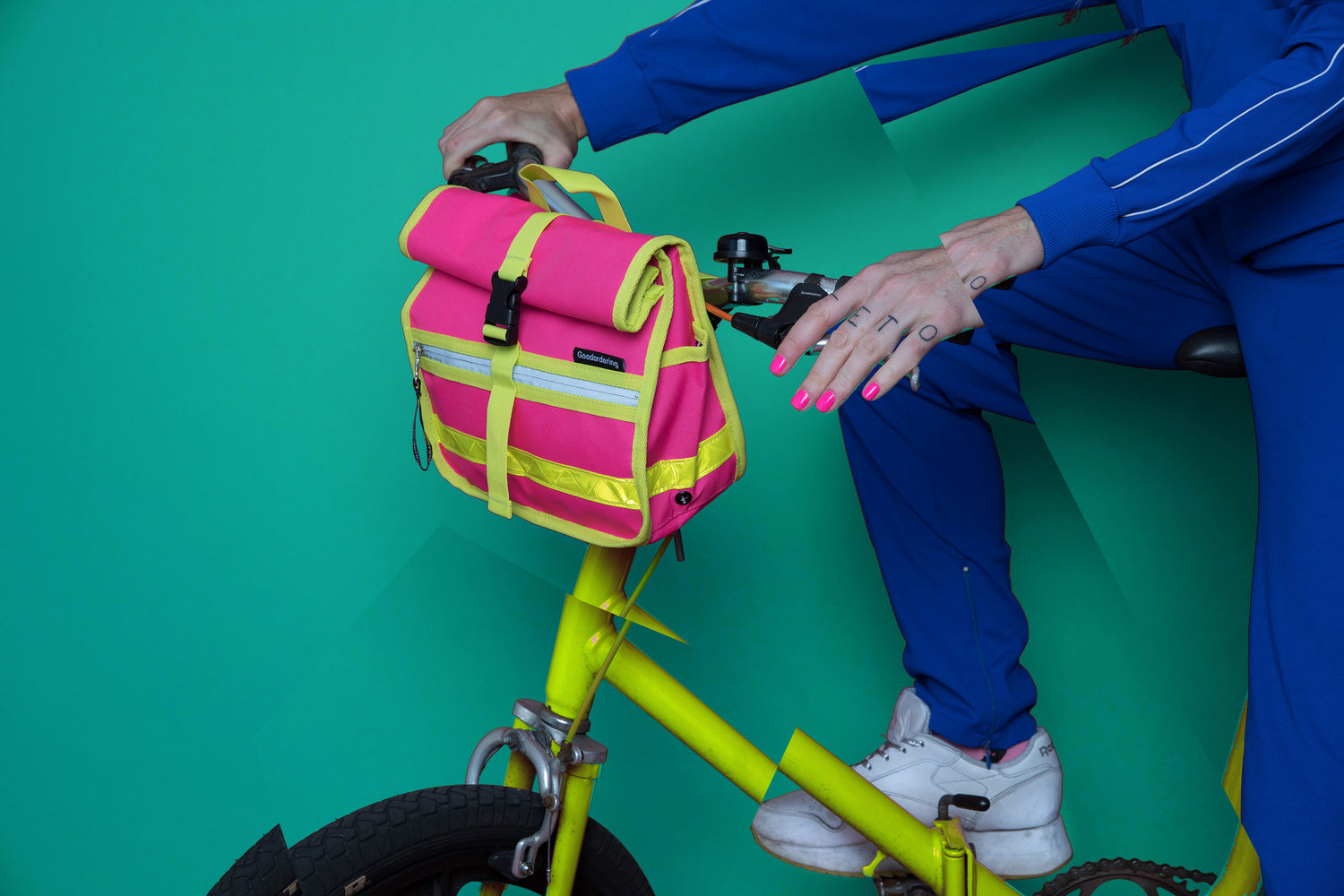
You move through cities that change faster than you can keep track of, and your travel habits often shift with them. As streets grow busier and public expectations evolve, you face new choices about how you get around. You might already mix different modes without thinking about it – cycling to work, driving for longer trips, or hopping on a tram when the weather turns. When you understand how each option supports your routine, you make decisions that save time, reduce stress and help you feel more in control of your daily movement.
Bikes as everyday transport
Cycling gives you a practical way to travel short distances without relying on congested roads. When you ride a bike, you move at a pace that suits dense urban areas, and you often reach your destination faster than drivers stuck in traffic. If you want to make cycling part of your routine, start by planning routes that use protected lanes or quieter streets. This approach helps you feel safer and encourages you to ride more often. You also gain a clearer sense of your city’s layout, which makes future journeys easier to navigate.
Cars and car insurance costs
Cars still play a major role in city transport, especially when you need flexibility or to carry heavy items. However, you strengthen your financial planning when you factor in ongoing expenses such as fuel, maintenance and car insurance. If you compare policies before you commit, you often find options that match your driving habits more closely. For example, if you rarely use your car during the week, a mileage-based policy can reduce your monthly costs. This kind of tailored choice helps you keep the convenience of driving without letting expenses spiral.
E-bikes for longer commutes
E-bikes bridge the gap between traditional cycling and motorised travel. When you use one for longer commutes, you arrive without feeling exhausted, and you maintain a steady pace even on hilly routes. If you’re considering an e-bike, test different models to see how the motor responds to your pedalling style. A comfortable fit and predictable power assist make daily travel smoother and encourage you to rely on the bike more consistently. Over time, you’ll notice that you cover greater distances with less effort, which expands your transport options.
Public transport integration
Public transport remains essential for efficient city movement, and you benefit when you combine it with other modes. You might cycle to a station, store your bike securely and continue your journey by train. This approach reduces your reliance on cars and shortens travel times during peak hours. To make this work smoothly, check timetables and station facilities before you set off. When you coordinate your connections, you avoid long waits and create a predictable routine that fits your schedule.

Gear that supports multimodal living
The right gear helps you switch between transport modes without hassle. A lightweight backpack, weather-resistant clothing and a reliable lock make cycling easier, while portable chargers and phone mounts support navigation when you drive or use public transport. If you invest in items that suit your daily habits, you reduce friction and stay comfortable throughout your journey. Over time, this preparation encourages you to choose the most efficient mode for each trip rather than defaulting to one option.
You shape your city experience every time you choose how to travel, and a flexible approach helps you move confidently through whatever the future brings.