A good everyday carry is not a pile of gadgets; it is a small answer to predictable friction. A commuter leaving at 7:40 a.m., a cyclist crossing town after rain, and a traveler facing a TSA line all need the same thing: reach the item before the problem grows. The kit should fit the day, not the fantasy trip. Pack less. Choose better.
The Bag Sets the Whole Pattern
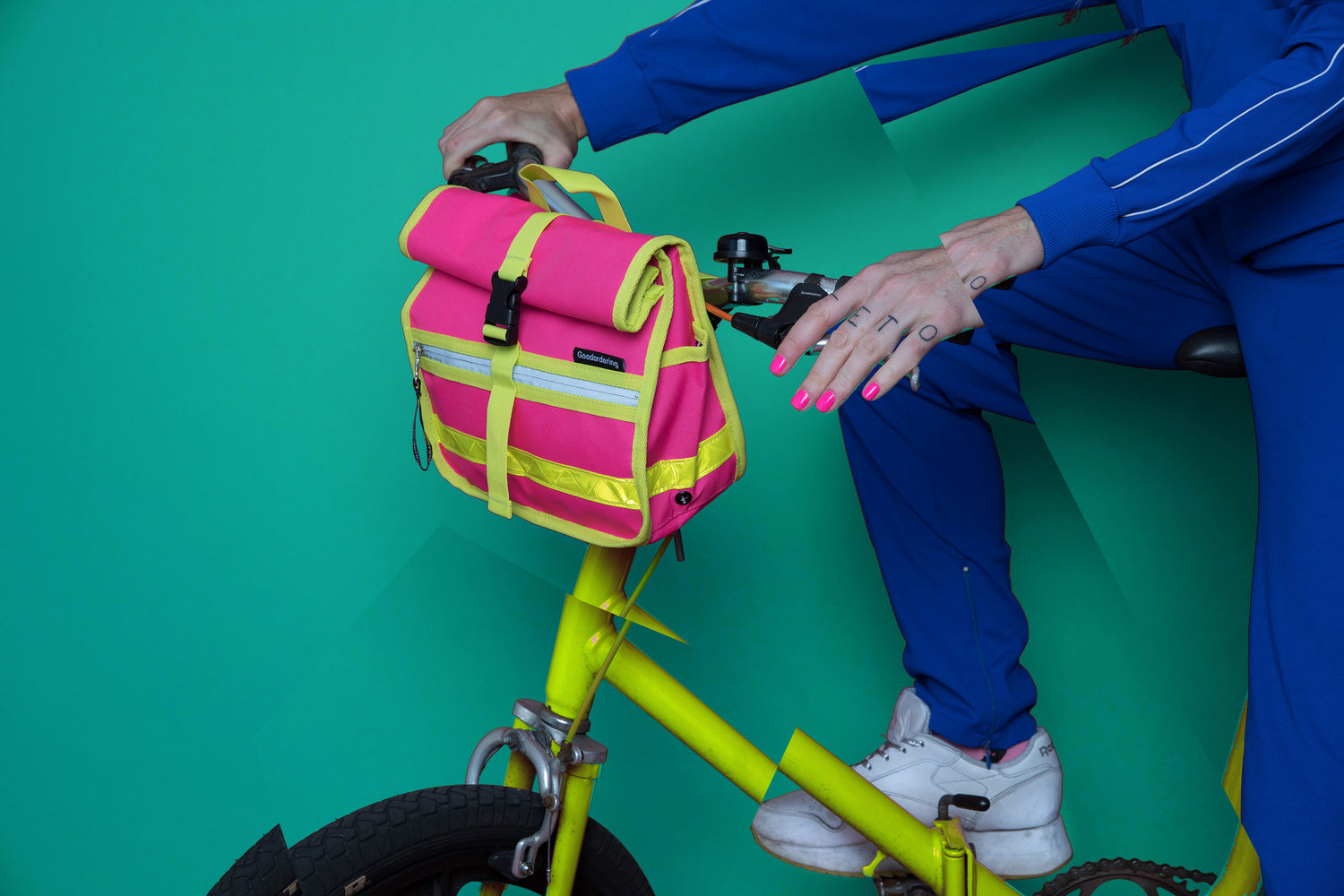
What determines whether the kit actually gets used is often the bag. A front pocket for keys, a padded sleeve for a 13-inch laptop, and a side slot for a bottle stop feeling optional when a train door is about to shut. For cyclists, it also matters how the weight sits—close to the back instead of pulling from one shoulder after a long day. Being able to grab a transit card with one hand can make the difference between catching a train and missing it. If a bag feels awkward or uncomfortable, it usually ends up staying at home.
Power Belongs Near the Top
These days, phone power sits at the center of what people carry, since tickets, maps, payments, and security codes all live on one device. Apple’s switch to USB-C on iPhone 15 and newer models means one cable can handle more gear: phones, tablets, earbuds, and small battery packs. The FAA allows lithium-ion batteries up to 100 watt-hours for personal use, while larger ones between 101 and 160 Wh need airline approval and come with restrictions. In practice, a 10,000 mAh power bank, a USB-C cable, and a compact wall charger tend to cover most everyday situations better than a handful of specialty adapters.
Match Days Expose Bad Packing
A match day doesn’t leave much margin for error: once you’re in the crowd, everything moves fast. If you’re heading to Wembley for a 7:45 p.m. kickoff, keep it simple: phone fully charged, a lightweight rain jacket just in case, a slim card wallet, and something quick for checking train times or delays. If you’re keeping an eye on MelBet football before kickoff, make sure you can get to what you need without digging through apps: odds, stakes, and your balance should be easy to find. It also helps to keep that separate from your everyday spending, so nothing gets mixed up. Setting your stake in advance is usually the better call too, rather than chasing late chatter or sudden swings in the odds.
Paper Still Has a Job
Digital wallets work great: right up until your screen cracks or your phone loses signal and suddenly you’re stuck staring at a useless slab. It’s worth keeping a few basics on hand: a copy of your passport, your insurance card, your hotel address, and an emergency contact, all tucked into a slim zip pouch that barely takes up space. TSA rules still cap carry-on liquids at 3.4 ounces (100 milliliters) in a quart-size bag, so travel-sized bottles and a small refillable container just make sense. And don’t forget a pen: customs forms, luggage tags, and the occasional borrowed notebook always seem to show up when you least expect them.
The Weather Layer Beats the Forecast
Weather apps miss enough by 3 p.m. to justify a light shell. A cyclist crossing Brooklyn Bridge Park or London Bridge needs wind coverage more than a heavy coat when rain arrives sideways for 20 minutes. A 10,000mm waterproof rating generally means a fabric can resist a 10-meter column of water in a hydrostatic head test, though seams and zippers still decide how dry the commute feels. The jacket packed near the top gets used; the jacket buried under a laptop charger stays theoretical.
Apps Need a Place in the Kit
A modern EDC includes software as much as hardware, because the phone now carries routes, tickets, payments, and live sport. Access paths deserve the same sorting as cables, cards, and keys. A traveler checking the MelBet India app download should treat the app path like any other access point: confirm the source, review login settings, understand KYC steps, and keep payment limits visible before opening a bet slip. A betting app may be part of the day’s sport routine, but it should never blur the line between entertainment money and the money needed for food, transport, or a hotel deposit. The kit works when the risky step is harder to miss.
Empty Space Is a Feature
The last 10% of bag space is not wasted. It is where sunglasses go after dusk, where a paperback fits after a station kiosk stop, and where a folded shirt can survive a coffee spill at 9:15 a.m. A useful everyday carry wins by making the next move easier. The zipper should close without a fight.