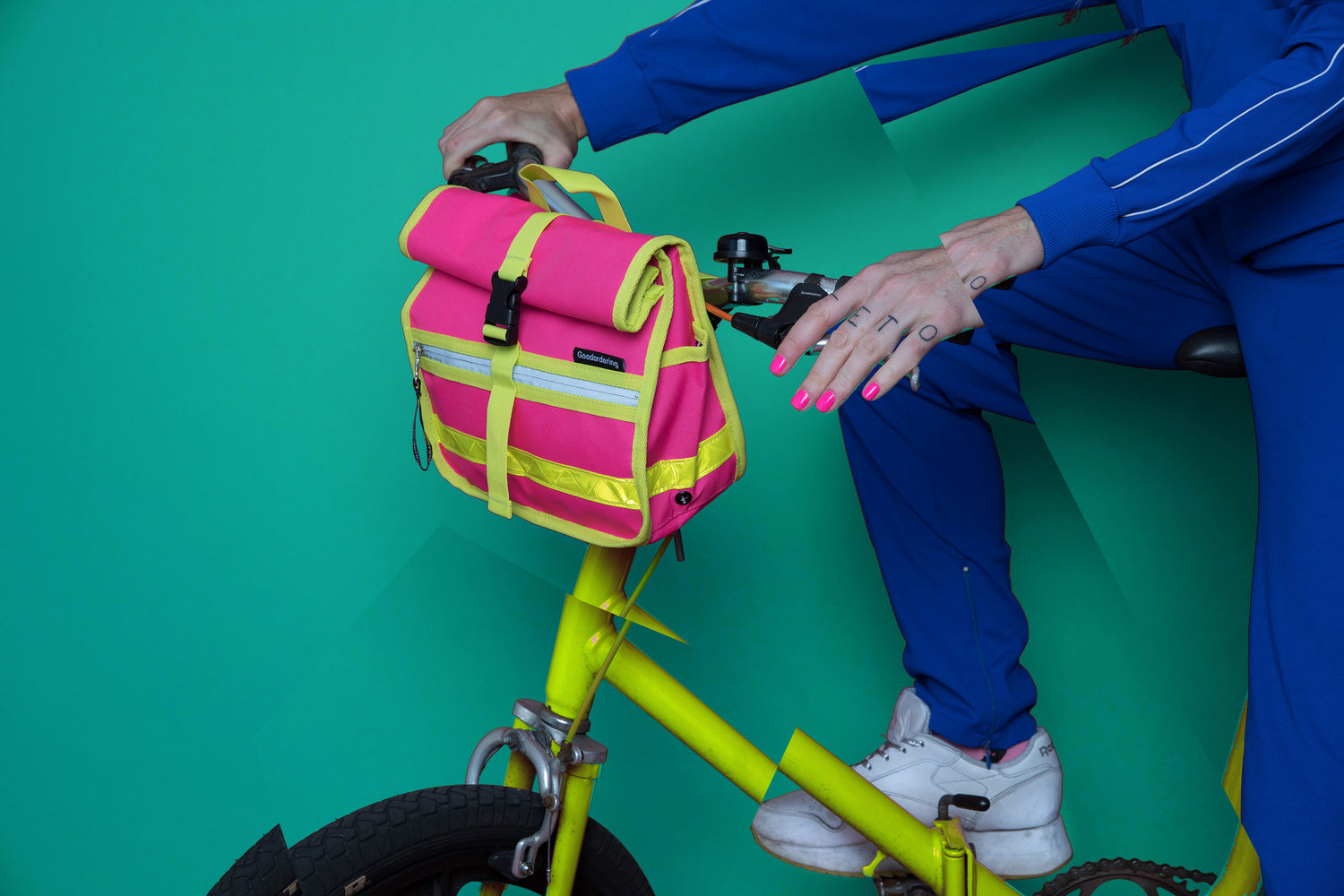
Cycling to work is a brilliant way to get around London. You avoid the rush-hour crowds, get some fresh air and arrive at work feeling a little more awake. But if you commute with a laptop, there's one question that comes up pretty quickly: how do you carry your computer on a bike without damaging it?
Whether you're cycling to the office, heading to a café to work remotely, or taking your laptop to university, carrying a computer on two wheels requires a little planning.
The good news is that you don't need to give up cycling or wrap your laptop in half a roll of bubble wrap. With the right bag, a bit of organisation and a few simple precautions, you can make cycling with a laptop practical and comfortable.
Here's our guide to carrying your laptop safely on a bike, including what to look for in a cycling bag and how to protect your tech on the daily commute.
1. Choose the Right Bag for Cycling with a Laptop
The bag you choose makes a big difference to how safely and comfortably you carry your laptop. A normal everyday backpack might work for a short journey, but a bag designed for cycling can make your commute much easier.
There are three main options to consider.
A Laptop Backpack
A backpack is a familiar and versatile option. It keeps your belongings close to your body and is easy to take with you when you arrive at work. Ideally these backpacks can be attached to your back or your bicycle depending on how heavy it is. Personally i think its important that bags are multifunctional and that you can carry them in different ways.
Look for a backpack with:
- A padded laptop compartment or protective laptop sleeve.
- Adjustable shoulder straps that sit securely.
- A comfortable back panel and a fit that doesn't move around while cycling.
- Weather-resistant fabric and secure closures.
- A backpack is particularly useful if you combine cycling with walking, trains or the Tube.
Goodordering's rolltop backpack pannier bags offer another option for commuters who want a bag that can be carried on their back or attached to a suitable bicycle pannier rack. It's a practical way to switch between cycling and walking without changing bags.
A Pannier Bag
If you regularly carry a laptop, books, lunch and other work essentials, a pannier bag is worth considering.
Panniers attach to a compatible bicycle rack, keeping the weight off your shoulders and transferring it to the bike. This can make a noticeable difference on longer journeys or when you're carrying heavier items.
A pannier can also help keep your back cooler on warm days, as you're not carrying a heavy backpack against your body.
Goodordering's backpack pannier designs are made for this sort of flexible urban commuting. You can use the bag as a backpack when you're off the bike and attach it to a compatible rack for your journey.
Always check that the pannier's attachment system is compatible with your bike rack and that the bag sits securely without interfering with the wheel or pedals.
A Messenger Bag
Messenger bags are popular with city cyclists because they provide easy access to everyday essentials and have a casual, urban look.
However, a laptop can make a messenger bag quite heavy, and a bag worn across one shoulder may shift around while cycling.
If you choose this style, look for a secure strap, a stable fit and sufficient protection for your laptop. Make sure the bag doesn't swing into the bike's wheels or affect your balance.
For regular longer commutes with a heavier computer, a pannier or well-fitted backpack may be more comfortable.

2. Always Protect Your Laptop with a Padded Sleeve
Even if your cycling bag is sturdy, it's worth putting your laptop inside a separate protective sleeve.
A laptop sleeve provides an additional layer of cushioning against everyday knocks, vibrations and accidental bumps. It can also help prevent scratches from keys, chargers and other objects inside your bag.
When choosing a sleeve, make sure it fits your particular laptop size. A sleeve that's too big may allow the computer to slide around, while one that's too small can put pressure on the edges.
A few things to look for:
- Padding on both sides, including the corners.
- A secure zip or closure.
- A snug fit without forcing the laptop inside.
- A soft interior lining to protect the laptop's finish.
Remember that padding is not the same as waterproofing or impact-proofing. A sleeve is an extra precaution, not a guarantee against damage.
3. Keep Your Laptop Away from Rain and Moisture
British weather is famously unpredictable. You can leave home in sunshine and find yourself cycling through a downpour ten minutes later.
Water is one of the biggest risks to electronics, so protecting your laptop from rain should be part of your daily routine.
When shopping for a cycling bag, look for water-resistant materials, covered zips and closures that help prevent rain from getting inside.
Rolltop bags can be particularly useful because the top can be folded and secured to help reduce water getting into the main compartment. However, a rolltop closure alone doesn't automatically make a bag fully waterproof.
For heavy rain, consider using a separate waterproof laptop sleeve or dry bag inside your cycling bag. Check the seams, zips and fabric condition regularly, especially if you cycle every day.
A useful commuter habit: If the weather forecast looks particularly wet, put your laptop in its protective sleeve before leaving home, rather than waiting until you see the rain.
4. Pack Your Laptop Properly Before Setting Off
It's not just the bag itself that matters. How you pack it can make a difference to how well your laptop is protected.
A few simple packing habits can help prevent damage during your journey.
- Keep your laptop in its own compartment or sleeve, separate from heavier objects.
- Avoid placing heavy books, locks or tools directly against the screen.
- Keep water bottles in a separate pocket and make sure their lids are secure.
- Place heavier items towards the bottom of a backpack and close to your back.
- Make sure everything is zipped up and secured before cycling.
Try not to overfill your bag. A tightly packed bag can put pressure on your laptop, particularly if other items are pushing against it.
And if you carry your laptop charger, mouse, headphones and other accessories, keep them together in a small organiser pouch. It makes finding everything much easier when you arrive at work.
5. Secure Your Bag Properly to Your Bicycle
If you're using a pannier, take a moment to check that it's properly attached before every ride.
A poorly secured bag can move around, affect your balance or come loose while you're cycling.
Before setting off:
- Check that the pannier hooks or attachment system are fully engaged with the rack.
- Make sure the bag is clear of the spokes, pedals and rear wheel.
- Check that any straps are tucked away and cannot get caught in moving parts.
- Give the bag a gentle tug to make sure it is secure.
If you're using a backpack, adjust the shoulder straps so that the bag sits close to your body and doesn't bounce around.

It's also worth practising with your loaded bag in a quiet area before taking it on busy roads. A laptop, charger and other work essentials can add more weight than you might expect.
6. Protect Your Laptop When You Arrive
Your laptop's journey doesn't end when you get off the bike.
If you've been cycling in cold or wet conditions, give your bag a quick check before taking out your computer.
If the laptop is wet, don't switch it on. Disconnect it from power if safe to do so, and follow the manufacturer's guidance for dealing with liquid exposure.
When you arrive somewhere particularly cold, allow your laptop to acclimatise before powering it on if condensation may have formed. Moving electronics rapidly between cold and warm environments can cause moisture to develop.
And if you leave your bike outside, remember to take your laptop and valuables with you. A secure bicycle lock won't protect the contents of a bag left attached to the bike.
7. What Should You Look for in a Cycling Laptop Bag?
If you're buying a bag specifically for commuting with a laptop, here's a quick checklist to keep handy.
- A padded laptop compartment or room for a protective sleeve.
- Water-resistant fabric and secure closures.
- Comfortable straps or a compatible pannier attachment system.
- Enough space for your laptop, charger and everyday essentials.
- A secure fit that won't interfere with the bicycle.
- Easy to carry once you arrive at work.
The right choice depends on your journey, the size of your laptop and how much else you need to carry.
For a short ride to the office, a comfortable backpack may be all you need. For longer journeys or heavier loads, a pannier can take the weight off your shoulders.
If you regularly switch between cycling, walking and public transport, a convertible backpack pannier can give you both options in one bag.
Carry Your Laptop in Style with Goodordering
At Goodordering, we design bags for people who get around by bike and want their everyday essentials to work just as hard as they do.
Our cycling bags are designed around the realities of urban life: commuting, carrying your daily essentials, switching between cycling and walking, and getting around the city in all kinds of weather.

Our rolltop backpack pannier in eco blue and white is one option for commuters who want the flexibility of a backpack and a pannier in one design.
Whether you're carrying a laptop to work, heading to a café for a day of remote working or taking your computer to university, choosing a bag that suits your journey can make cycling with your tech much easier.

Browse the Goodordering cycling bag collection to find a bag for your everyday commute.
Final Thoughts
Carrying a laptop on a bike doesn't have to be complicated. Choose a bag that fits your laptop and your cycling routine, use a protective sleeve, keep everything secure and take a few moments to check your bag before setting off.
With a little preparation, you can enjoy the benefits of cycling to work without worrying quite so much about what's in your bag.
And who knows? Your daily commute might just become the best part of your working day.