Practical streetwear works best when it balances function, comfort, and personal style. The goal is not to look overdesigned. It is to build outfits that can handle commuting, errands, cycling, travel, casual workdays, and long hours outdoors while still feeling intentional.
Personalization is what keeps practical clothing from looking generic.
Small details such as fit, fabric weight, pocket placement, layering, color choices, and custom accents can make a basic outfit feel specific to your lifestyle.
Start With a Functional Base
A strong streetwear look starts with pieces that move well and hold their shape. Choose a base layer that fits your daily routine before adding statement items.
For bottoms, look for durable fabric, secure pockets, comfortable stretch, and a cut that works with sneakers, boots, or utility footwear.
Pieces such as tactical jeans can work well in practical streetwear because they combine everyday denim styling with utility details that support movement, storage, and long wear.

Keep the fit clean.
A straight, relaxed, or tapered shape usually works better than anything too tight or overly baggy.
Choose a Consistent Color System
Color makes streetwear easier to style. A consistent palette helps practical clothing look coordinated rather than thrown together.
Start with two or three core colors.
Black, charcoal, olive, navy, tan, cream, and washed denim are useful because they work across seasons and pair well with technical fabrics.
Add one accent color through a hat, bag, graphic tee, socks, or jacket lining.
This makes the outfit feel personal without making it hard to repeat.
Practical Color Pairings
Useful combinations include:
- Black, grey, and white
- Olive, tan, and cream
- Navy, denim, and brown
- Charcoal, burgundy, and black
- Washed denim, white, and forest green
- Sand, black, and rust
Limit loud colors to one or two areas.
This keeps the look sharp and wearable.

Use Layers With Purpose
Layering is a major part of streetwear, but every layer should have a reason. A jacket can add structure. A vest can add storage. A hoodie can add warmth. A long tee can add proportion.
Start with a breathable base layer, then add a mid-layer and outer layer based on weather and activity.
Avoid layering thick items that restrict movement.
A good streetwear outfit should allow you to sit, walk, reach, and carry a bag without constant adjustment.
Personalize Denim and Utility Pieces
Denim, jackets, overshirts, bags, and workwear-inspired pieces are ideal for personalization because they can handle added details.
Patches, stitching, pins, contrast seams, and fabric panels can make functional clothing feel more original.

Using iron on patches for jeans is a simple way to personalize denim without needing advanced sewing skills.
Placement matters.
A patch near the back pocket, thigh, hem, or side seam can add visual interest without making the piece look crowded.
Choose designs that connect to music, travel, hobbies, local culture, work, or personal symbols.
Balance Utility With Clean Styling
Practical streetwear often includes cargo pockets, tech fabrics, water-resistant jackets, structured bags, caps, and heavier footwear. These details are useful, but too many at once can make an outfit look overloaded.
Choose one main utility feature per outfit.
If the pants have strong pocket details, keep the top simple. If the jacket has technical seams and hardware, choose cleaner bottoms.
This balance makes the outfit look styled instead of costume-like.

Pay Attention to Proportion
Proportion controls how practical streetwear looks on the body. Oversized pieces can work, but they need structure.
Pair wide pants with a more fitted top or cropped jacket.
Pair slim bottoms with a relaxed hoodie, utility vest, or boxy overshirt.
Proportion Checks
Before leaving, check:
- Does the jacket length work with the pants?
- Are the sleeves too long?
- Does the shirt hem create bulk?
- Do the pants stack cleanly over shoes?
- Is the bag pulling the outfit off balance?
- Can you move comfortably?
Small adjustments improve both comfort and appearance.

Choose Footwear That Matches the Day
Footwear should match the route, weather, and outfit weight. Lightweight sneakers work for dry city days. Boots are better for wet pavement, uneven ground, or heavier layers.
Avoid shoes that look sharp but fail after a few hours of walking.
The best streetwear footwear supports movement and completes the silhouette.
Color also matters.
Black, white, grey, brown, and muted earth tones are easier to repeat across outfits.
Use Accessories as Functional Details
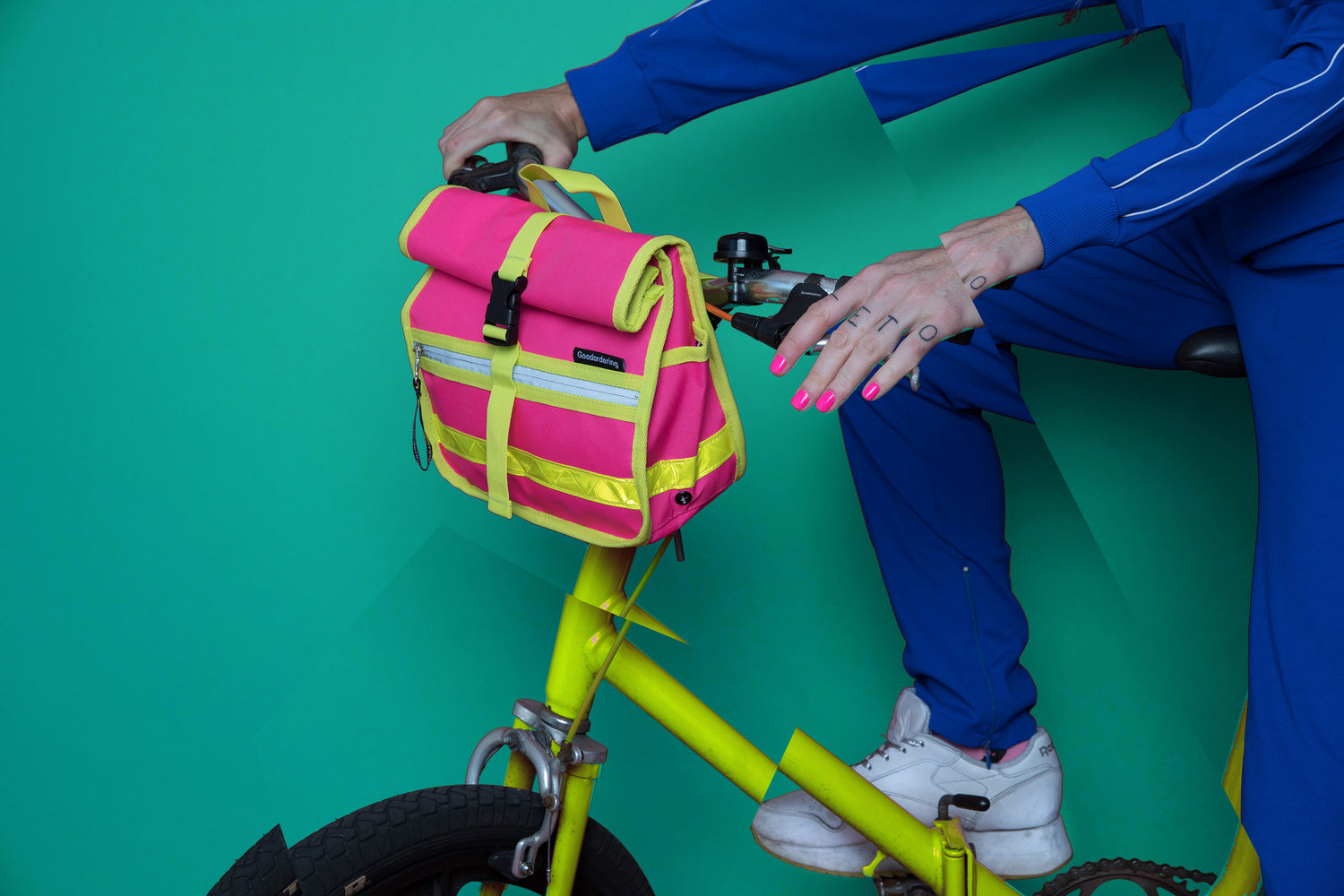
Accessories should do more than decorate. A crossbody bag, messenger bag, cap, watch, belt, scarf, or beanie can add both use and personality.
Choose items that fit your actual day.
A compact crossbody works for errands. A structured backpack works for commuting. A cap helps on bright days. A belt can sharpen the outfit and support pocket-heavy pants.
Keep accessories consistent with the overall color system.
Final Thoughts
Personalizing practical streetwear starts with functional clothing and adds details that reflect your routine, taste, and environment.
Focus on durable basics, consistent colors, useful layers, balanced utility, clean proportions, and smart accessories.
The best looks are not complicated.
They work because every piece has a purpose and every detail feels like it belongs to the person wearing it.