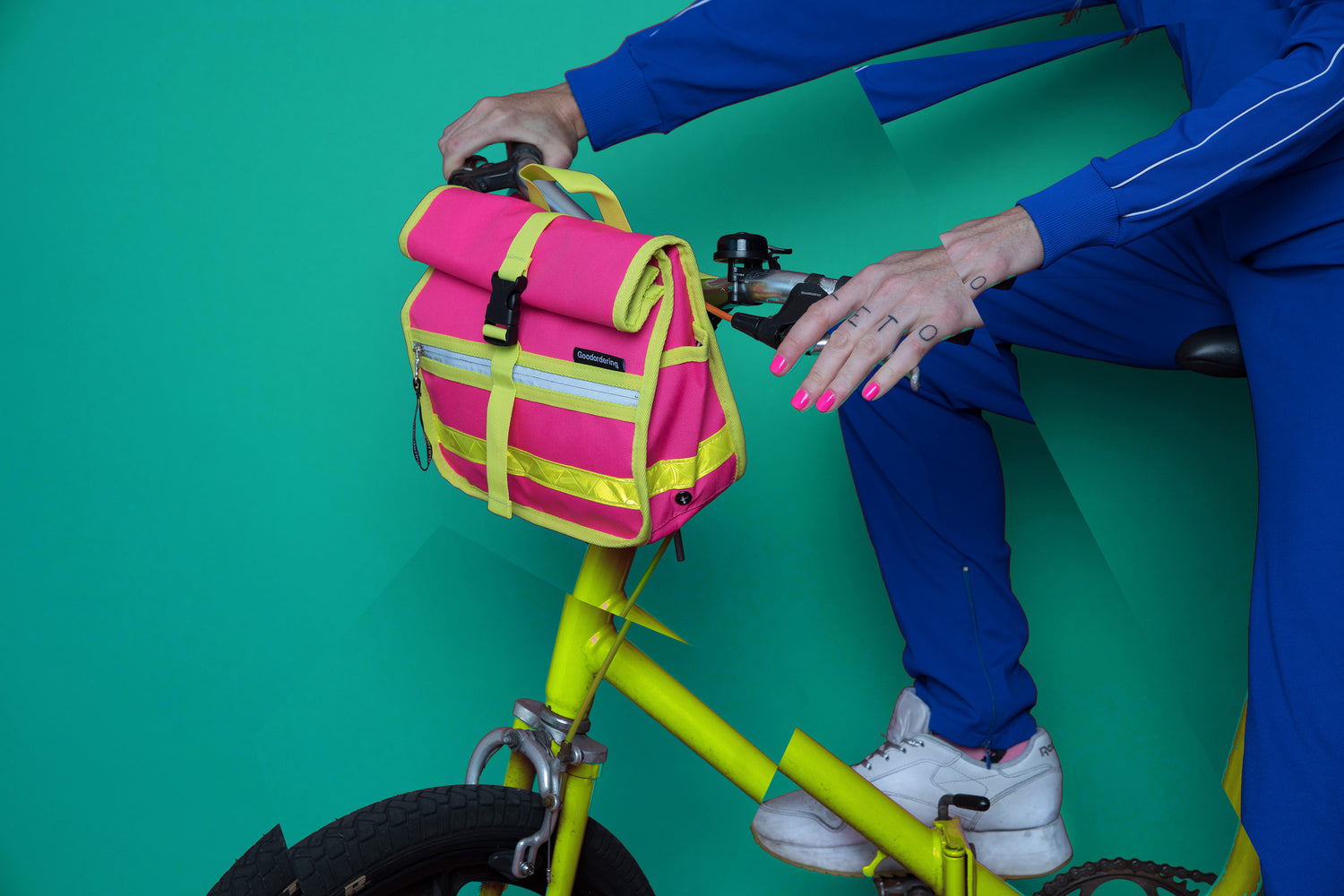
How to stay warm, dry, visible and reasonably stylish when cycling to work through a British winter.
Cycling to work in winter isn’t for the faint-hearted. Dark mornings, freezing fingers, surprise downpours and that particularly British kind of drizzle that somehow gets into your underwear. But before you abandon your bicycle in favour of an overcrowded bus, hear us out.
With the right clothing, a few clever accessories and a decent way to carry your belongings, winter cycling can actually be rather enjoyable. There is something quite satisfying about arriving at work feeling awake and energised while everyone else is still recovering from their commute.

The trick isn’t to dress like you’re climbing Everest. It’s to be prepared for the cold, wind, rain and darkness without turning yourself into a sweaty, waterproof sausage.
Here’s our practical guide to what to wear cycling to work in winter, particularly for those of us navigating the unpredictable streets of London.
1. Layers, Layers, Layers (But Don’t Overdo It)
The biggest mistake winter cyclists make is dressing too warmly before they even leave the house.
If you’re perfectly cosy standing beside your bicycle, there’s a good chance you’ll be overheating after ten minutes of pedalling.
The secret is layering.
Base layer: Start with something breathable that moves moisture away from your skin. Merino wool or a technical synthetic fabric works well. Avoid heavy cotton T-shirts next to your skin, as they absorb sweat and stay damp.
Middle layer: A fleece, lightweight jumper or insulated cycling jersey provides warmth without too much bulk. On milder days, you might not need this layer at all.
Outer layer: A windproof, waterproof jacket is your winter commuting best friend. Look for something breathable with adjustable cuffs, ventilation and enough room to move your arms comfortably.
The beauty of layers is that you can remove one when you get hot and put it back on when the temperature drops.
GOODORDERING TIP: It’s fine to feel slightly chilly during the first couple of minutes of your journey. You’ll soon warm up once you get moving.
2. Waterproof Doesn’t Have to Mean Completely Wrapped in Plastic
British winter weather is famously unpredictable. You might leave home in sunshine and arrive at work looking like you’ve cycled through a car wash.
A decent waterproof jacket is probably the most useful item in your winter cycling wardrobe.
Look for taped seams, an adjustable hood, a dropped back to protect against road spray and some ventilation to prevent that horrible clammy feeling.
Waterproof trousers are also worth considering, particularly if you cycle in your everyday clothes. Choose trousers that allow you to pedal freely and don’t flap around your ankles.
Alternatively, a cycling rain poncho can be brilliant for shorter urban journeys, particularly on upright city bikes. Just make sure it doesn’t interfere with steering, wheels, brakes or lights, especially in windy conditions.
And remember, waterproof clothing only works properly if water can’t sneak in through the openings.
GOODORDERING TIP: Keep a spare pair of socks at work. Few things ruin a morning faster than spending eight hours with wet feet.
3. Protect Your Extremities: Fingers, Toes and Ears
Your hands and feet are usually the first to complain when the temperature drops.
Gloves: Windproof gloves are essential. For particularly cold mornings, insulated or waterproof cycling gloves are worth the investment. Make sure you can still operate your brakes and gears comfortably.
Socks: Merino wool socks are excellent for winter because they provide warmth and help manage moisture. Avoid squeezing extra-thick socks into tight shoes, as restricted circulation can make your feet colder.
Shoes: Waterproof shoes or overshoes can make a huge difference during rainy commutes.
Neck warmer: A simple snood or neck tube is one of the most useful and inexpensive winter cycling accessories. Pull it over your mouth and nose when the wind gets particularly biting.
Headwear: A thin thermal cap or cycling-specific ear warmer can fit under a helmet, provided it doesn’t affect the helmet’s correct fit.
GOODORDERING TIP: If your gloves get soaked during the morning commute, stuff them loosely with paper and leave them somewhere warm and ventilated to dry before heading

4. Cycling in the Dark: Be Seen, Not Just Stylish
One of the biggest changes when cycling to work in winter is the darkness.
In London, you might leave home before sunrise and cycle back long after sunset. Suddenly, your familiar commute feels like a completely different journey.
Visibility becomes incredibly important.
Lights are essential. In the UK, bicycles used at night must have a white front light, a red rear light and the required reflectors. Make sure both lights are charged, working and unobstructed before setting off.
Consider carrying a small backup light, too. Batteries have an annoying habit of dying at precisely the wrong moment.
Reflective details on clothing, bags and accessories can help other road users spot you. Reflective ankle bands are particularly useful because their movement can make you more noticeable.
Fluorescent colours are useful in daylight and dull conditions, while reflective materials are particularly helpful after dark.
You don’t necessarily have to dress head-to-toe in fluorescent yellow. Reflective accessories, strategically positioned on your clothing and bicycle, can provide additional visibility without sacrificing your personal style.
At Goodordering, we incorporate reflective details into many of our cycling bags for exactly this reason.
Our Tartan Eco Rolltop Backpack & Pannier, for example, includes reflective detailing and converts from a backpack into a bicycle pannier.
GOODORDERING TIP: Check your lights aren’t hidden behind your coat, bag or luggage. Reflective details are helpful additions, but they never replace proper bicycle lights.
5. Wind: The Invisible Enemy of the Winter Cyclist
Cold weather is one thing. Cold weather combined with a strong headwind is quite another.
A chilly morning can feel positively Arctic when you’re cycling into a 20 mph wind.
The key is stopping cold air from penetrating your clothing.
Windproof jackets, gloves and trousers can make a huge difference, even when it’s not raining.
Look for adjustable cuffs, fitted collars and jackets that don’t billow behind you like a parachute.
On particularly windy days, take extra care on bridges, exposed roads and when passing gaps between buildings, where sudden gusts can affect your balance.
Avoid carrying loose tote bags over your handlebars or anything that might catch the wind unexpectedly.
And sometimes, the sensible option is to leave the bike at home. There’s no medal for cycling through dangerously strong winds.
6. What Trousers Should You Wear for Winter Cycling?
You absolutely do not need to wear Lycra to cycle to work.
Plenty of people cycle comfortably in everyday clothing, including jeans, chinos, skirts and dresses.
However, winter introduces a few extra considerations.
Jeans can become heavy, cold and uncomfortable when soaked. Stretchy trousers or quick-drying fabrics tend to work better in wet weather.
If you’re wearing wide-leg trousers, use trouser clips or tuck the fabric securely away from your chain.
For longer commutes, thermal cycling leggings or tights under your normal clothing can help keep your legs warm.
If your workplace has somewhere to change, it might be easier to wear practical cycling clothes during the journey and change into your office outfit when you arrive.
GOODORDERING TIP: Keep a pair of work shoes at the office. It’s one less bulky thing to carry backwards and forwards every day.
7. Carry Your Winter Cycling Gear Without Looking Like a Packhorse
Winter commuting inevitably involves carrying more stuff.
Extra gloves, waterproof trousers, spare clothes, perhaps a change of shoes, a laptop, lunch and the occasional emergency chocolate bar.
Suddenly, your innocent little commute requires the packing skills of someone heading off on a three-week expedition.
A good cycling bag makes a huge difference.
Let Your Bicycle Carry the Weight
One of the simplest winter commuting improvements is moving your luggage from your back onto your bicycle.
Cycling with a heavy backpack can leave you feeling hot and sweaty, even on cold days. A pannier bag attached to your rear rack allows your back to breathe and frees up your shoulders.
Our Monochrome Rolltop Backpack Pannier is designed for exactly this kind of everyday cycling. It converts from a backpack into a pannier, includes a padded laptop compartment and has water-resistant fabric and reflective details.
Perfect for those who want one bag that works on and off the bike.
Carrying More? Try a Double Pannier
For commuters carrying a complete change of clothes, gym equipment or a large amount of work gear, a double pannier can be a game changer.
Our Goodordering Double Pannier Cycling Bag has a generous 41.6-litre total capacity, with room for clothing, shopping and work essentials.
It attaches over a rear pannier rack and includes reflective detailing. The two sides also help distribute a larger load across the bicycle.
Travelling Light? Keep It Compact
Not everyone needs to carry half their wardrobe to work.
For smaller loads, our Navy Eco Bicycle Trunk Bag attaches to the rear rack and is ideal for essentials such as gloves, a waterproof layer, lunch and other small belongings.
It includes water-resistant construction features, handy pockets and reflective strips, all in a rather nostalgic, retro-inspired design.

Keep Your Electronics Dry
One important thing to remember: water-resistant fabric doesn’t necessarily mean a completely waterproof bag.
Heavy or prolonged rain can find its way through seams, openings and zips.
For extra protection, place your laptop, electronics and spare clothes inside a waterproof liner or dry bag.
Make sure pannier fittings are secured, backpack straps are tucked away and nothing can swing into the wheels or cover your lights.
The last thing you want on a dark winter commute is a loose strap getting caught in your spokes.
8. Wet Roads Need a Different Riding Style
Winter cycling isn’t just about what you wear. It’s also about adjusting how you ride.
Wet roads can be slippery, especially around painted road markings, metal drain covers, fallen leaves and oily patches.
Give yourself more time to brake and avoid sudden movements when cornering.
Keep a little extra distance from the vehicle in front, particularly in heavy rain when visibility and stopping distances can be affected.
Make sure your tyres are in good condition, your brakes work properly and your lights are clean.
Mudguards are another wonderfully unglamorous but essential piece of winter cycling equipment.
Without them, you risk arriving at work sporting that unmistakable muddy stripe up the back of your trousers.
GOODORDERING TIP: If conditions are icy or snowy, consider a different way to travel. Ordinary road tyres can lose grip suddenly on ice, and no amount of waterproof clothing will fix that.
9. Create a Winter Cycling Emergency Kit
A small emergency kit can transform a miserable commute into a minor inconvenience.
Keep these essentials in your cycling bag:
- Spare socks
- Lightweight waterproof trousers
- A backup bicycle light
- A compact puncture repair kit or spare inner tube
- A small microfibre cloth for wiping your glasses
- A waterproof pouch for your phone
- Spare gloves for particularly wet days
- A snack for those unexpectedly long journeys
You don’t need to carry everything every day. Tailor your kit to your journey, the weather and what you can leave at work.
10. The Best Winter Cycling Hack? Make It Easy for Yourself
The hardest part of winter cycling is often getting out of the front door.
When it’s dark, cold and raining, the temptation to abandon your bicycle can be overwhelming.
A little preparation makes the whole process much easier.
Check the weather forecast the evening before. Charge your lights. Lay out your cycling clothes and pack your bag so you’re not searching for your gloves at 7.45 am.
Give yourself an extra five or ten minutes, especially when roads are wet or visibility is poor.
If you can, choose a quieter route with protected cycle lanes, even if it adds a little distance.
And remember that winter cycling doesn’t have to be an all-or-nothing commitment. Cycling three days a week is still better than abandoning your bike until April.
Final Thoughts: Don’t Let Winter Put You Off Your Bicycle
There is something wonderfully satisfying about cycling through the colder months.
The quiet morning streets, the crisp air, the little feeling of triumph when you arrive at work despite the weather.
You don’t need an expensive wardrobe of specialist cycling clothing to get started. A few well-chosen layers, reliable lights, waterproof accessories and a practical bag will make an enormous difference.
At Goodordering, we believe cycling should be part of everyday life, whatever the season. That’s why our bags are designed for real people cycling around real cities, carrying everything from laptops and lunch to shopping and spare socks.
So wrap up, switch on your lights and let your bicycle do some of the hard work.
And if it starts raining halfway home? Well, that’s just character building.
Explore our collection of Goodordering cycling bags and panniers, designed in East London for everyday adventures, whatever the weather.