Some weekdays ask a lot from one bag. Laptop in the morning, water bottle on the way out, a change of socks stuffed in the side pocket, keys hiding somewhere mysterious, and then the small matter of whatever hobby you’ve talked yourself into after work.
The old idea of having a “work bag” and a “sports bag” feels a bit neat for real life. Most of us carry some strange little mix of office, errands, exercise, snacks, chargers, and optimism.
A good after-work bag doesn’t need to announce that you have three versions of yourself scheduled before dinner. It just needs to keep them all organised, comfortable, and vaguely presentable.
The one-bag day has arrived
The neat little boxes of modern life have gone a bit wobbly. Work happens in cafés, exercise happens after emails, errands get squeezed between calls, and hobbies have a habit of needing more stuff than expected.
That’s why the best everyday bags now borrow ideas from sport, cycling, travel, and school bags at once. They need pockets that make sense, straps that don’t dig in, and enough structure to stop everything collapsing into a sad fabric cave.
This is where specialist designs can be surprisingly useful. The same thinking behind pickleball bags and backpacks, with their space for kit, bottles, shoes, and small essentials, suits the way people actually move through a weekday. A bag that knows where things should go saves time, irritation, and a lot of rummaging at the worst possible moment.
What an after-work bag needs to do
A useful bag has to cope with the boring bits before it gets to the fun bits. Laptop, charger, keys, wallet, lunch, sunglasses, lip balm, notebook, maybe a spare top. Then come the hobby extras: trainers, a towel, a paddle, a book, a lock, or whatever small object suddenly becomes essential at 6pm.
The trick is separation. Work things should stay flat and protected. Sport things should have room to breathe. Tiny things should have a pocket of their own, instead of disappearing into the lining like they’ve moved abroad.
Comfort matters as much as storage. A bag can look brilliant on a chair and become deeply annoying ten minutes into a walk or cycle. Wide straps, a balanced shape, and easy-access pockets make the difference between feeling prepared and feeling like a travelling lost property box.
Three hobbies, no outfit change
The after-work bag is built for the person who leaves the house as one version of themselves and comes home as three others.
In the morning, it needs to look calm enough for work. By lunchtime, it might be holding a snack, a receipt, and something you meant to post last week. By evening, it has become a mini changing room, sports locker, and emergency cupboard.
The best bags handle that shift without making the whole day feel overpacked. A separate pocket for clean clothes helps. A bottle holder saves the inside from disaster. A front pocket for keys and travel cards keeps small panics away. None of this is glamorous, which is exactly why it works.
Good habits with zips
A well-designed bag quietly trains you to be more organised. Keys go in the same front pocket. Charger goes in the padded sleeve. Water bottle lives upright, where it can’t perform a tiny indoor flood. The less thinking required, the better the bag is doing its job.
This matters because after-work hobbies are meant to feel like a lift, not another admin task. Pickleball, for example, has become popular with many players because it’s social, quick to learn, and easy to fit into ordinary routines, as USA Pickleball’s guide to the game explains. The bag side of that matters more than people think. If your kit is already packed and easy to grab, you’re far more likely to go.
The magic is in reducing the little bits of friction. No digging for a travel card. No wondering where your socks went. No damp towel pressed lovingly against your laptop. Just the small pleasure of knowing where everything is.
Choose the bag your day actually needs
The right after-work bag starts with honesty. What do you really carry, and what do you only imagine yourself carrying because you briefly became a more prepared person in your head?
A good test is to pack your bag for an ordinary long day, then look at what causes the most faff. If your bottle leaks, you need a better side pocket. If your laptop gets squashed, you need structure. If you keep unpacking everything to find one small thing, you need clearer compartments.
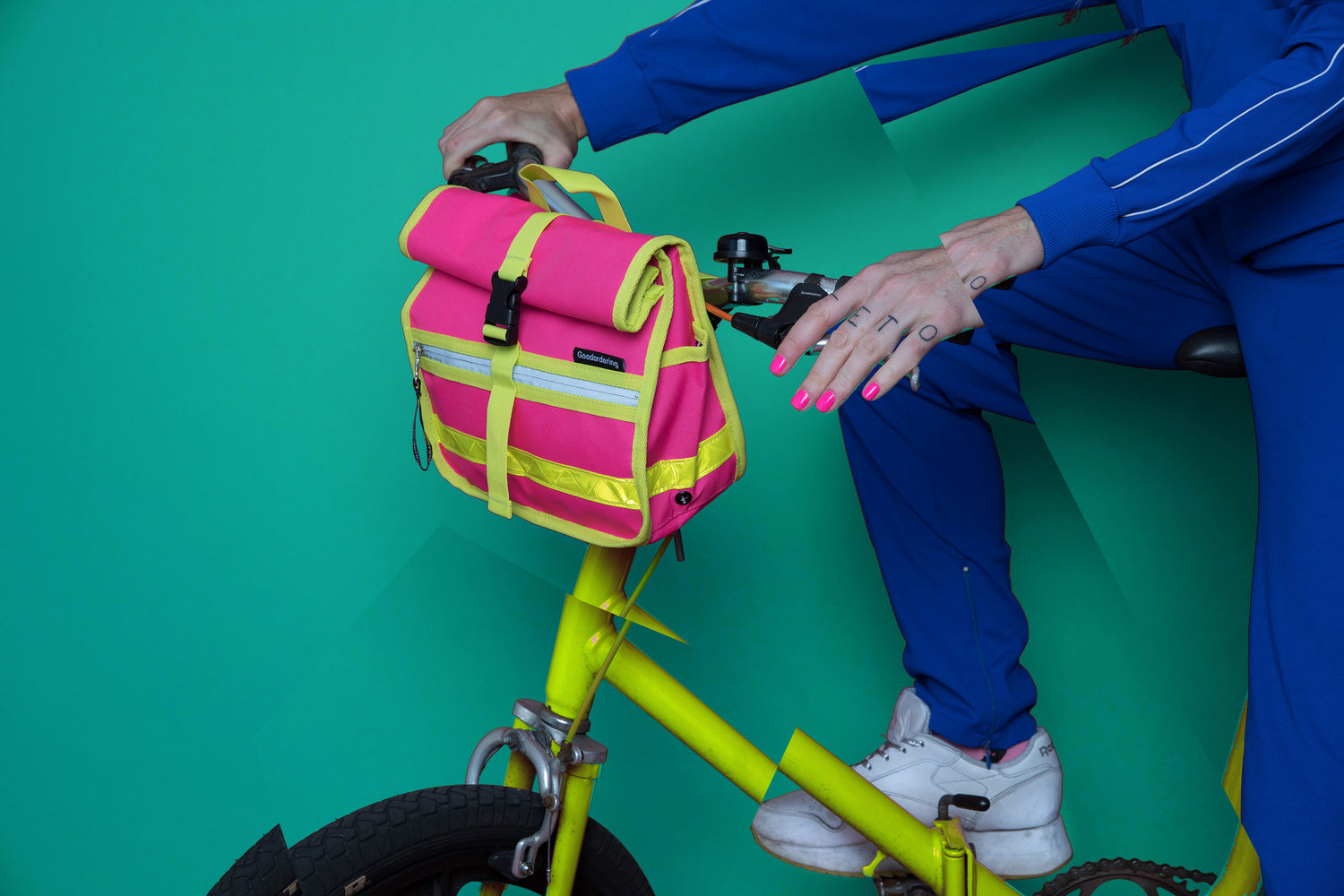
For active days, comfort should sit near the top of the list. The same goes for visibility, weather resistance, and a shape that works on a bike or on foot. Small changes make a big difference, especially when you’re starting commuter cycling and trying to make movement feel like part of the week rather than a separate project.
The final test
The best after-work bag makes the day feel lighter, even when you’re carrying more. It keeps the practical things tidy, gives the fun things somewhere to live, and saves you from the tiny daily drama of repacking your life into three different bags.
It doesn’t have to be huge. It doesn’t have to look aggressively sporty. It just has to suit the real shape of your day, from laptop to court to corner shop.
When a bag does that well, it becomes part of the routine in the nicest possible way: useful, dependable, and ready before you are.